What Size Solar Battery Do I Need in Albany?
How to choose the right home battery size for your Albany or Great Southern home, with the latest federal and WA battery rebate rules explained so you get the biggest discount without paying for storage you will never use.
- Tiered battery rebate explained
- Free battery sizing check
- Trusted, local installers
The Quick Answer
Most Albany homes suit a 10kWh to 14kWh solar battery. To size yours, add up the electricity you use from late afternoon to the next morning (usually 8–14kWh for a typical family) and add about 10% for efficiency and reserve. Under the federal Cheaper Home Batteries Program, the first 14kWh of usable capacity gets the full rebate, so 10–14kWh is also the best value per dollar. Go bigger only if you have an EV, very high winter heating use, or need long blackout backup.
- 10–14kWh: The right battery size for most Albany family homes
- 14kWh: Of usable capacity earns the full federal battery rebate
- $1,300: Maximum WA Residential Battery Scheme rebate for Synergy customers
- 1 Jan 2027: Next scheduled cut to the federal battery rebate
How to Size a Home Battery in 5 Steps
A battery should be sized to your night, not your day. Here is the process our designers use for every Albany battery quote.
Find your evening and overnight usage
Log in to Synergy My Account and look at your half-hourly usage. Add up what you use from around 4pm to 8am. No interval data? For a home that is empty during the day, 60–70% of your average daily usage is a fair estimate.
Decide what the battery is for
Cutting your bill, keeping the lights on in a blackout, and going off-grid are three very different goals. Bill savings suit a battery sized to your night-time use. Blackout protection is about which circuits stay on. Off-grid needs days of storage and usually a generator.
Check usable capacity and power
Compare batteries by usable kWh, not the headline figure. Also check the power rating in kW: this decides whether the battery can run the oven, kettle and reverse-cycle heating at the same time on a cold Albany evening.
Make sure your solar can fill it
A battery is only useful if it charges. On a short June day in Albany, each 1kW of solar panels makes roughly 2.5kWh. Filling a 10–13kWh battery in winter typically needs 3–4kW of spare solar on top of what the house uses during the day.
Size to the rebate sweet spot
The federal rebate pays full value on the first 14kWh, 60% on the next 14kWh and 15% after that. The WA rebate stops at 10kWh. For most homes, a 10–14kWh battery gets the most rebate per dollar spent.
Want us to crunch it?
Send us your Synergy bill (or My Account login screenshot) and we will model the right battery size, your rebate and your payback, free.Request a battery sizing check →
Battery Size Guide for Albany Homes
Use this as a starting point. Every home is different, and your actual usage data will always give a better answer than household size alone.
| Household | Evening & overnight use | Suggested battery (usable) | Solar to pair with |
|---|---|---|---|
| 1–2 people, gas or heat-pump hot water | 5–8kWh | 8–10kWh | 6.6kW+ |
| 3–4 people, reverse-cycle heating | 8–14kWh | 10–14kWh | 8–10kW |
| Large or all-electric home | 14–20kWh | 14–20kWh (stackable) | 10–13kW |
| Home with an EV charged overnight | 20kWh+ | 14kWh + smart EV charging | 13kW+, often three-phase |
| Farm, rural block or off-grid | Varies | Custom design | Sized with generator backup |
The rule of thumb
Battery size (kWh) ≈ evening + overnight use × 1.1
Example: a family using 11kWh between 4pm and 8am needs about 12kWh of usable storage. For them, a 13.5kWh battery covers most nights year-round and stays inside the full federal rebate tier.
Estimate your rebate with our federal battery rebate calculator, or see current prices in our solar and battery packages.
How Battery Size Affects Your Rebate
Albany homeowners can stack two battery rebates: the federal Cheaper Home Batteries Program and the WA Residential Battery Scheme. Both reward sensible sizing, and neither rewards oversizing.
- First 14kWh: 100%
- 14–28kWh: 60%
- 28–50kWh: 15%
- Over 50kWh: 0%
Cheaper Home Batteries Program
An upfront discount delivered through STCs, applied by your installer, with no forms for you to lodge. It is designed to cover around 30% of a typical battery, but the full rate only applies to the first 14kWh of usable capacity. How the federal rebate works →
WA Residential Battery Scheme
Synergy customers, which includes Albany and the Great Southern, can get $130 per kWh up to $1,300, capped at 10kWh. Batteries must be at least 5kWh, on the approved list and joined to a Virtual Power Plant. Eligible households may also access a no-interest loan of up to $10,000.
Timing
The rebate drops every six months
The federal STC factor is 6.8 for installs from May to December 2026 and falls to 5.7 from 1 January 2027, a cut of about 16%. It keeps stepping down every six months until the program ends in 2030. Rebate eligibility is based on your installation date.
Rebate values depend on certificate prices at the time of installation. Every Albany Solar quote shows your exact federal and WA rebate as a line item before you commit.
What Makes Battery Sizing in Albany Different
Battery calculators built for Perth or the east coast often get the Great Southern wrong. These local factors change the answer.
- Winter is the real test. Our shorter, cloudier winter days make less solar to charge the battery, just when heating pushes evening use up. We size so your battery still fills on a typical June day, not just in summer.
- Storms and rural feeders. Winter fronts off the Southern Ocean can bring outages, especially on long rural lines around Denmark, Walpole, Kendenup and Bremer Bay. If backup matters, battery power output and backup circuits matter as much as kWh.
- Heating loads. Reverse-cycle air conditioning on a cold Albany night can draw 2–3kW for hours. That can empty an undersized battery before midnight.
- Virtual Power Plant rules. To claim the WA rebate, your battery joins a VPP, which may occasionally draw on your stored energy. We allow for this when sizing.
Sizing for Blackout Backup
Not every battery keeps your power on in an outage, and the ones that do can be set up in different ways. Choose your backup level first, then size the battery to it.
Essential circuits
Keeps the fridge, lights, internet, water pump and a few power points running. A 10kWh battery can usually carry these through an overnight outage. This is the most common and cost-effective setup.
Whole-home backup
Runs everything, including heating and cooking. This needs a higher power rating (kW) and usually 13kWh or more, and may need a switchboard upgrade. It suits families who work from home or have medical equipment.
Rural & off-grid
For farms and properties with long outages or no grid at all. These systems are sized for several days of autonomy and usually include a backup generator.
Learn more: Blackout protection in Albany · Off-grid solutions · Energy storage solutions
Popular Batteries and How They Size Up
Battery size is just as important as brand. Some batteries come in a single fixed size, while others stack in modules so you can match your usage closely or add capacity later.
Fixed-size batteries
Batteries like the Tesla Powerwall 3 (13.5kWh usable) sit right inside the full federal rebate tier and suit most 3–4 person homes. They can be expanded with add-on packs if your needs grow.
Modular batteries
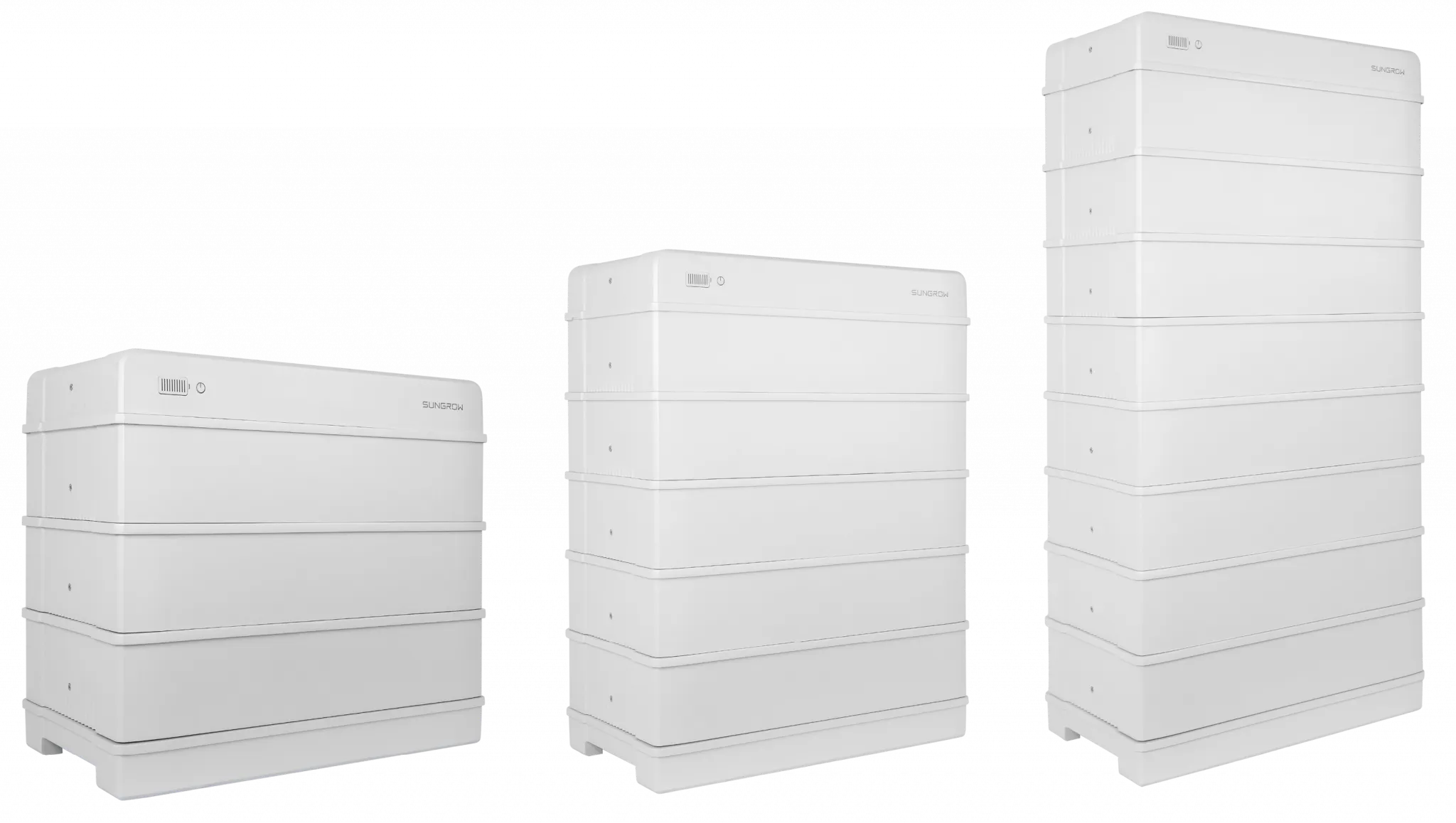
Stackable systems like Sungrow let you choose a capacity that closely matches your night-time use, then add modules later if you buy an EV or electrify your home.
Adding to existing solar
Already have panels? We check whether your current system can fill a battery through winter, and whether an AC-coupled battery or an upgrade to a hybrid inverter makes more sense.
Compare brands in our best solar batteries in Albany guide and our advice on choosing the right solar battery. Not sure your panels are big enough? Read our solar system size guide.
6 Common Battery Sizing Mistakes
- Buying the biggest battery for the biggest rebate. Since May 2026, capacity above 14kWh earns a much smaller rebate. Oversizing now costs you more per kWh.
- Sizing to daily usage instead of night usage. Your solar already covers the daytime. The battery only needs to cover the evening and overnight.
- Not enough solar to charge it. A large battery on a small, older solar system can sit half-empty all winter.
- Comparing nominal instead of usable kWh. Always compare batteries on usable capacity.
- Ignoring power output. A battery with plenty of kWh but a low kW rating can still trip when the oven and heater run together.
- Assuming it will run in a blackout. Backup has to be designed in. Check this before you sign.
Your local battery experts
Sized in Albany, supported in Albany
Albany Solar & Hot Water is a family-run, fully licensed electrical contractor (EC9265) based at our showroom on Sanford Road. Since 2010 we have designed solar and battery systems for homes, farms and businesses across the Great Southern. Every battery is sized by our own CEC-accredited designers and installed by our in-house team.
- Free battery sizing and rebate assessment
- Federal & WA rebates applied upfront
- VPP, Synergy & Western Power paperwork handled
- Local battery servicing and repairs
Find Your Perfect Battery Size Before the Rebate Drops
The federal battery rebate steps down again on 1 January 2027. Send us your power bill and we will recommend the right battery size, show your combined federal and WA rebate, and give you a fixed quote with no surprises.
OR CALL US ON
Battery Sizing: Frequently Asked Questions
What size battery do I need for my home in Albany?
Most Albany homes suit a 10kWh to 14kWh battery. Add up the electricity you use between about 4pm and 8am and add around 10% for efficiency and reserve. A family using 11kWh overnight needs about 12kWh of usable storage. Larger batteries are only worth it for EV owners, very high winter heating use, or long blackout backup.
Is a 10kWh battery enough?
A 10kWh battery is enough for many 1–3 person homes and makes full use of the WA Residential Battery Scheme, which caps at 10kWh. Families with reverse-cycle heating or higher evening use often find 12–14kWh a better fit, and that is still inside the full federal rebate tier.
How does battery size affect the federal battery rebate?
From 1 May 2026 the Cheaper Home Batteries Program is tiered by usable capacity. The first 14kWh receives the full rebate, capacity from 14kWh to 28kWh receives 60%, capacity from 28kWh to 50kWh receives 15%, and nothing above 50kWh is supported. The rebate also steps down every six months, with the next drop on 1 January 2027.
What battery rebates can I get in Albany WA?
Albany homes on the Synergy network can combine the federal Cheaper Home Batteries Program discount with the WA Residential Battery Scheme rebate of $130 per kWh, up to $1,300 for a 10kWh battery. The WA rebate requires an approved battery of at least 5kWh that joins a Virtual Power Plant. Eligible households may also apply for a no-interest loan of up to $10,000.
How much solar do I need to charge a battery?
In an Albany winter each 1kW of solar panels produces roughly 2.5kWh a day, so filling a 10–13kWh battery typically needs 3–4kW of spare solar on top of your daytime use. Many homes adding a battery also upgrade to 10kW or more of panels.
How long will a battery last in a blackout?
It depends on what you run. Essential circuits such as the fridge, lights, internet and a few power points use roughly 0.5–1kWh an hour, so a 10kWh battery can often carry them through the night. Running heating and cooking drains it much faster. Backup must be designed into the installation, as not every battery supplies power during an outage by default.
Can I add more battery capacity later?
Often yes. Modular batteries let you add modules, and some fixed-size batteries accept expansion packs. Keep in mind that later additions are assessed under the rebate rules and STC factor at the time they are installed.
Should I wait for batteries to get cheaper?
Battery prices are falling, but the federal rebate is falling too, every six months until 2030. Waiting also means paying full grid prices in the meantime. For most households with high evening use, installing a correctly sized battery sooner gives the better overall result.





