When planning a solar or battery system in Albany or the Great Southern region, one of the most important factors to understand is whether your property uses single-phase or three-phase power.
It might seem like technical jargon, but this distinction has a big impact on how your solar panels, inverter, and battery system perform. Knowing your setup helps ensure you get the right system size, efficiency, and future flexibility — particularly if you plan to add EV charging, expand your solar capacity, or power larger appliances or rural equipment down the track.
Here’s a simple guide from Albany Solar to help you understand the difference — and why it matters when designing your home energy system.
What is Single-Phase Power?
In most regional areas — including Albany, Denmark, Mount Barker, and the wider Great Southern region – homes are typically connected to single-phase power. This setup is common for residential properties with standard energy needs, such as everyday appliances, lighting, and home comfort systems.
Single-phase power uses one active wire and one neutral wire, delivering a consistent 230 volts throughout the home. It’s designed for steady, moderate energy use rather than heavy industrial loads.
You probably have single-phase power if your home:
-
Has a compact or standard switchboard
-
Runs standard household appliances and maybe one split-system air conditioner
-
Doesn’t use large machinery, pumps, or high-powered equipment
For solar and batteries, this means your system will be sized to match — typically allowing a solar inverter up to 5 kW per phase, with the battery connected through the same single-phase circuit.
What is Three-Phase Power?
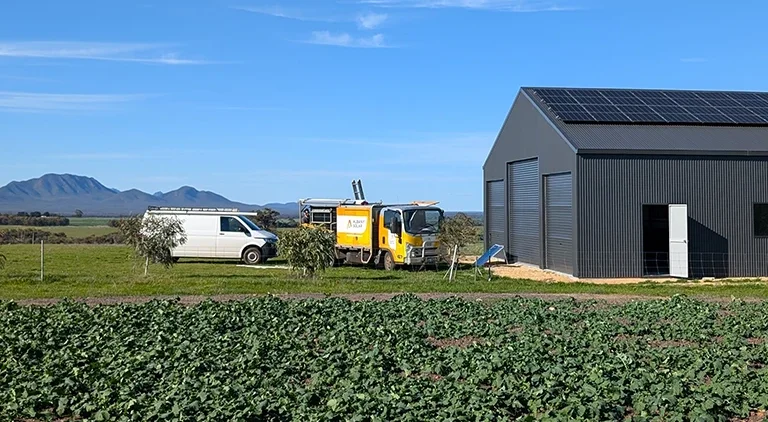
Three-phase power is more common on larger rural properties, farms, and commercial sites across Albany and the Great Southern, where higher power demand is the norm. This setup distributes electricity through three active wires, allowing for greater capacity, smoother voltage, and better efficiency when running energy-intensive equipment.
It’s the ideal choice for properties that:
- Operate large motors, pumps, or heavy machinery
- Have multiple buildings or workshops drawing power
- Run high-demand systems such as cold storage, irrigation, or dairy equipment
Each phase still supplies 230 volts, but the load is evenly spread across three lines — making three-phase systems more stable and reliable under heavy or fluctuating usage.
When it comes to solar and batteries, a three-phase supply offers big advantages:
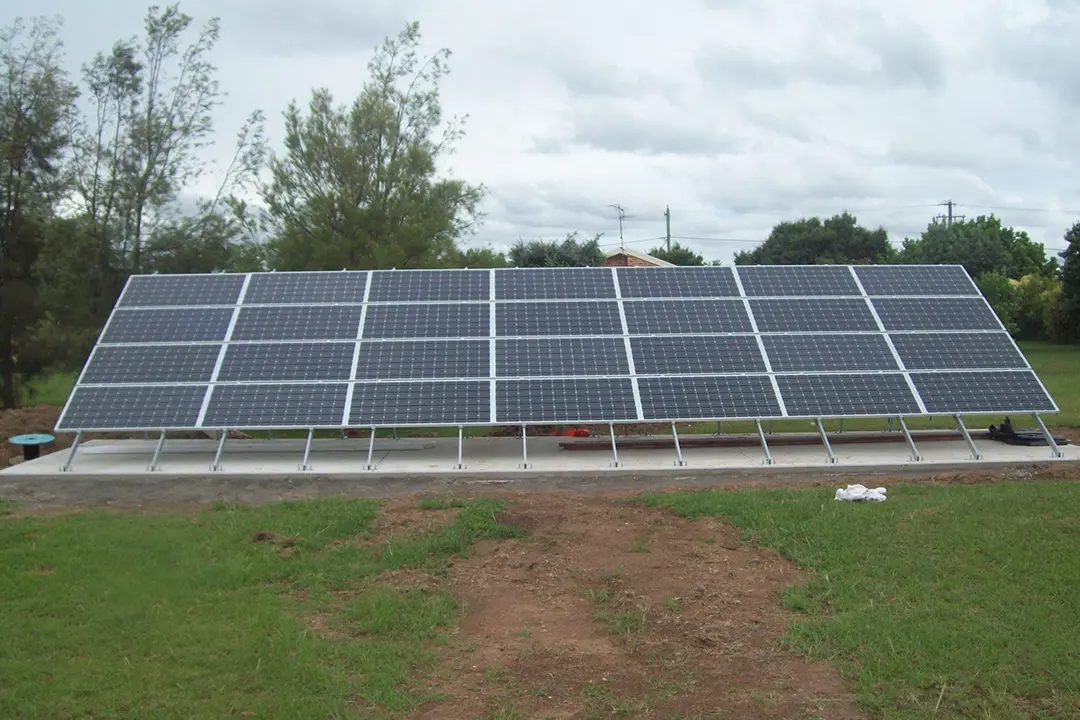
- You can install larger solar arrays — often 15 kW or more
- Energy generation is balanced across all three phases, improving performance
- You can integrate multiple inverters or hybrid systems, providing more storage capacity and flexibility
For rural and commercial energy users, a three-phase setup opens the door to higher solar production, smoother performance, and long-term scalability for future upgrades.
Single Phase VS Three Phase Energy Storage
When it comes to solar batteries, the type of power supply your property has, single-phase or three-phase, plays a big role in how your system performs.
Single-Phase Battery Systems
If your home runs on single-phase power, your battery connects to just one phase. During a power outage, that means it can only supply electricity to the circuits on that same phase, not your entire home.
You’ll still be able to power essential appliances like lighting, refrigeration, Wi-Fi, and some outlets — but larger systems such as ducted air conditioning or water pumps won’t operate unless additional equipment is installed or your circuits are split.
These setups are simpler and more affordable, making them ideal for most standard homes across Albany and the Great Southern region.
Three-Phase Battery Systems
For properties with three-phase power, batteries can charge and discharge across all three phases, keeping the system balanced and supporting higher energy loads.
This setup is perfect for:
-
Farms or rural homes with large energy demands
-
Workshops or small businesses running three-phase equipment
-
Homeowners wanting whole-house backup instead of just essentials
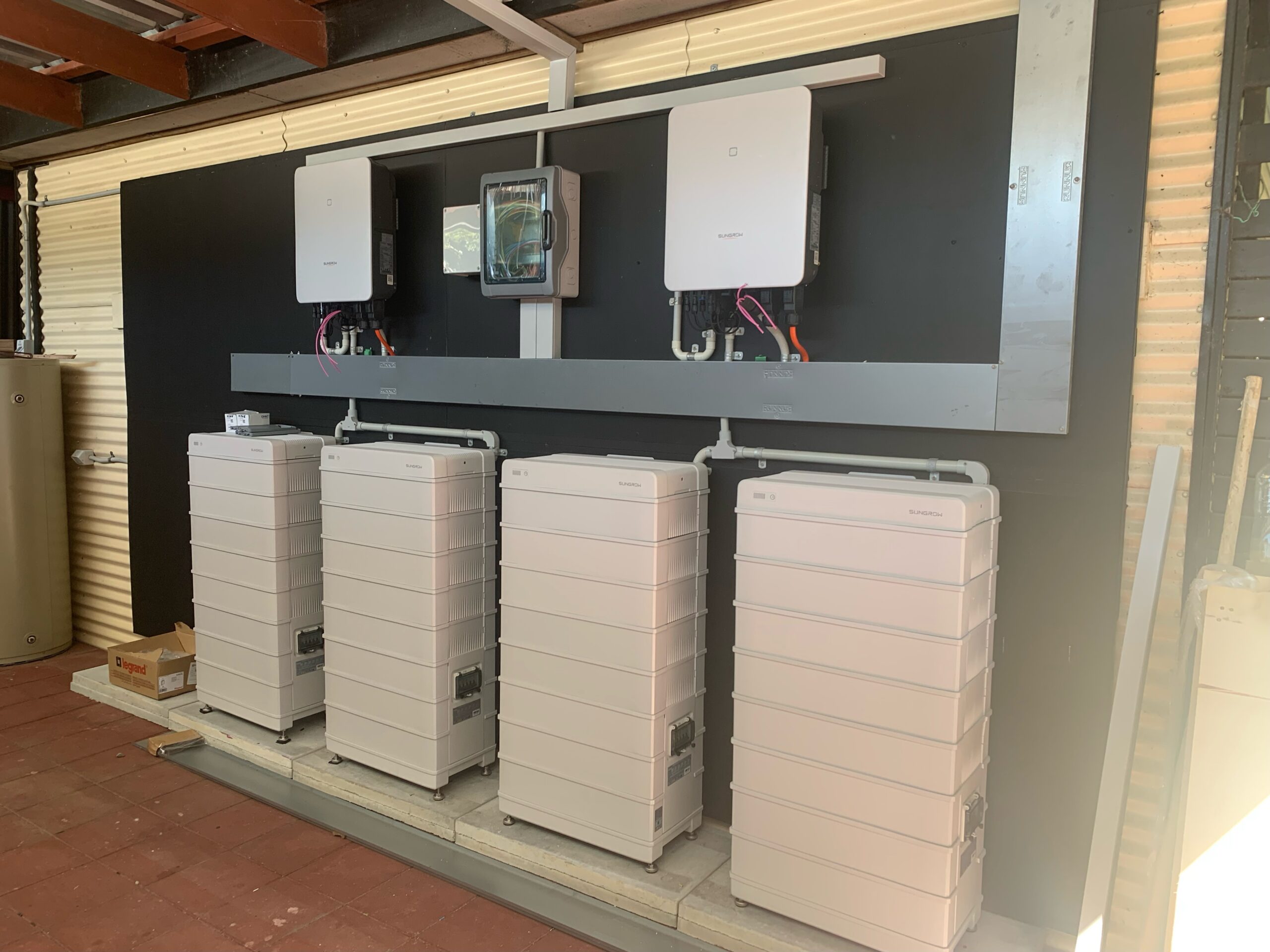
Leading brands like Sungrow and Tesla now offer advanced three-phase-compatible batteries that intelligently manage power flow across all phases — ensuring efficient operation, greater stability, and reliable backup when you need it most.
How Your Power Supply Type Impacts Solar System Design
Your power supply type — whether single-phase or three-phase — directly influences how your solar system is designed, connected, and the maximum system size you can install.
| Property Type | Typical Power Supply | Solar System Size | Battery Type |
|---|---|---|---|
| Suburban home (Albany, Denmark, Bremer Bay) | Single phase | Up to 6.6 kW | Single phase |
| Small business or workshop | Three phase | 10–15 kW | Three phase |
| Rural property or farm | Three phase | 15–30 kW+ | Three phase (recommended) |
With three-phase power, you can install a larger solar system to meet higher energy demands while exporting excess electricity evenly across all phases — improving efficiency and supporting grid stability.
Should I Upgrade to Three-Phase Power?
Not necessarily — it really depends on your energy needs and future plans.
If you live in a smaller home and simply want to add solar panels or a medium-sized battery, staying on single-phase power is usually perfectly adequate.
However, upgrading to three-phase power can be worthwhile if:
- You’re planning a larger solar system (10 kW+) or a battery over 15 kWh
- You want whole-home backup during blackouts
- You’d like to future-proof your property for EV charging, air conditioning upgrades, or an expanding energy load
Upgrade costs vary based on your current connection, property layout, and distance to the main line. It’s best to discuss your options with a qualified local installer who can assess what’s practical and cost-effective for your situation.