Comparing Off-Grid, Hybrid & Grid-Connected Solar Systems
Choosing the right solar setup comes down to how you want to power your home — full independence, partial flexibility, or a grid-tied approach that maximises your export savings.

SAA Accredited Off-Grid Designers, Installers and Licensed Electricians

Trusted Brands
Cost Effective and Reliable Energy Solutions Compared to Grid Connection
How Each Solar System Works
Understanding how each type of system operates helps you see where the value lies.
Off-Grid Solar:
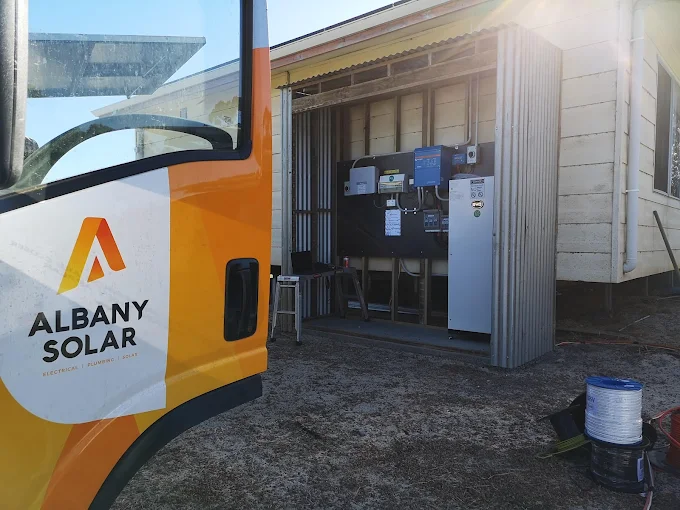
Your solar panels charge a battery bank that powers your home 24/7. Most systems also include a backup generator for long periods of bad weather. Once installed, you’re completely energy self-sufficient.
Hybrid Solar:
Works like a standard grid-connected system during the day, but stores surplus energy in a battery for use at night or during outages. You can still buy power from the grid when needed.
Grid-Connected Solar:
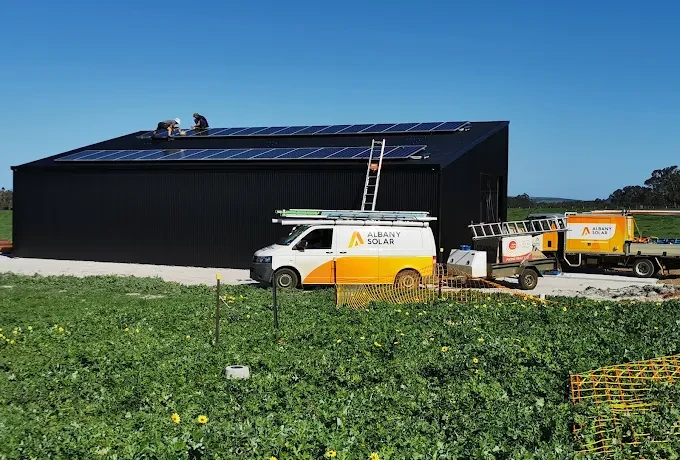
Generates electricity during the day and sends any unused energy back to the grid for a feed-in tariff. It’s the simplest and most affordable setup for most homes.
Tip: Hybrid systems are the most popular upgrade path — they let you start with grid solar and add batteries later.
What to Consider Before Choosing
Before deciding on a system, it’s worth thinking about the following:
Not sure which solar system type is right for you?
Here’s a quick side-by-side look at how off-grid, hybrid, and grid-connected systems compare.
You’ll find the main differences in cost, reliability, and flexibility — everything you need to make an informed choice before requesting your quote.
Feature |
Off-Grid Solar |
Hybrid Solar |
Grid-Connected Solar |
|---|---|---|---|
| Connection to the grid | Completely independent | Optional connection | Fully connected |
| Battery storage included | Always included | Included or optional | Not included (upgradeable) |
| Backup during blackouts | Full power available | Partial backup (depends on inverter) | No backup capability |
| Typical property type | Rural or remote homes and farms | Suburban homes wanting reliability | Urban homes and small businesses |
| Upfront system cost | High due to full autonomy | Moderate (battery adds cost) | Lowest initial cost |
| Power bills | None (off-grid) | Reduced significantly | Lower daytime bills |
| Feed-in tariff eligibility | Not applicable | Eligible when grid-connected | Eligible for export credits |
| Maintenance needs | Higher (batteries & generator) | Moderate (battery monitoring) | Low (panels only) |
| Best for | Complete self-sufficiency | Lower bills & blackout protection | Affordable solar savings |
How Battery Storage Changes the Game
Battery technology has come a long way — and it’s now one of the biggest factors in choosing between off-grid, hybrid, and grid-connected solar.
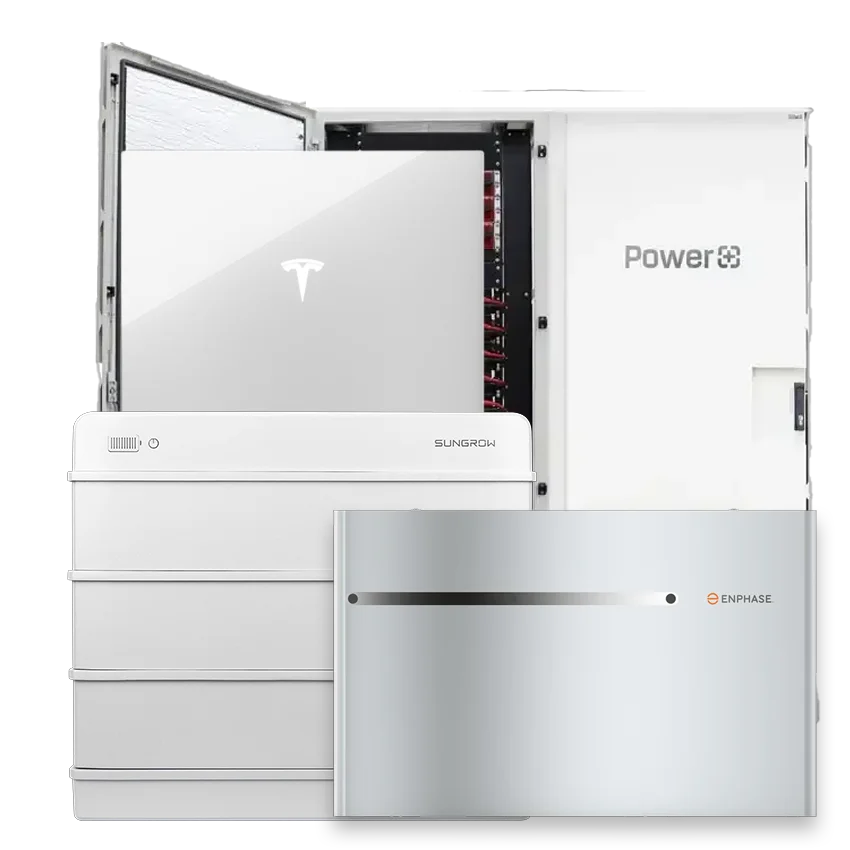
With a battery, you can store excess energy from your panels and use it when the sun isn’t shining. This means:
- Less reliance on grid power during evenings or cloudy days
- Backup electricity during blackouts (depending on your inverter type)
- Greater control over when you use or export your energy
Hybrid and off-grid systems include battery storage by design, but even grid-connected homes can upgrade later. Our team can help you plan for today’s needs while keeping your system future-ready.
Tip: Adding a battery often increases your self-consumption from around 30% to 80% — a major boost in savings and energy stability.

Rebates and Incentives for Solar Systems
Government rebates and incentives make solar more affordable than ever. Whether you go off-grid, hybrid, or stay connected, most systems still qualify for federal Small-scale Technology Certificates (STCs) — reducing upfront costs.
In some cases, hybrid and battery systems can also access additional programs, such as:
- Federal Battery Rebate (Cheaper Home Batteries Program)
- State-based or regional battery incentives
- Feed-in tariffs for any excess power exported to the grid
Our team stays up to date with the latest rebates available across Western Australia, ensuring you get the maximum benefit available at the time of installation.
Note: Rebates are gradually reducing each year, so it’s worth acting sooner to lock in higher savings.
LOCALLY OWNED & OPERATED
You benefit from our history in the local area, established 2010.
REASSURANCE AND PEACE OF MIND
Trusted accredited and licensed installers, no subcontractors.
OBLIGATION FREE CONSULTATION
Ask us how your solar investment will reduce your power bill.
WA GOVERNMENT APPROVED
Albany Solar are part of the WALGA Preferred Supplier Program.